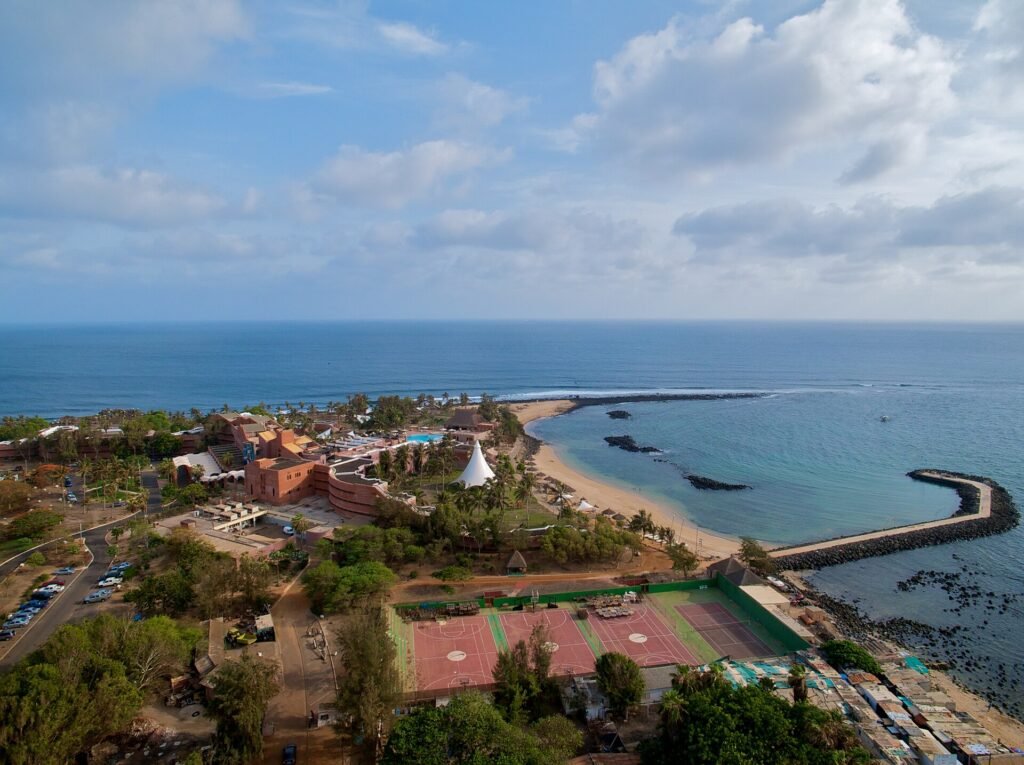
Capital of Senegal and gateway to West Africa, Dakar combines history, the ocean, lively markets and a rich cultural life. Whether you are coming for a few days of holiday, for work or for a longer stay, the city has more than enough to fill your schedule.
In this guide, we present the must-sees for visiting Dakar, easy day trips from the city, a sample 3-day itinerary and our practical tips for planning your stay.
What to see in Dakar: the must-sees
Gorée Island

About twenty minutes by ferry from the port of Dakar, Gorée Island is a UNESCO World Heritage Site. Its car-free lanes, colourful houses and the House of Slaves make it a visit that is both pleasant and steeped in history. Allow half a day, or even a full day to enjoy the calm of the island.
The African Renaissance Monument

Standing on one of the Mamelles hills in Ouakam, this bronze monument, around fifty metres tall, can be seen from much of the city. After climbing the steps, the view over Dakar and the ocean is well worth it, especially in the late afternoon.
The Mosque of the Divinity in Ouakam
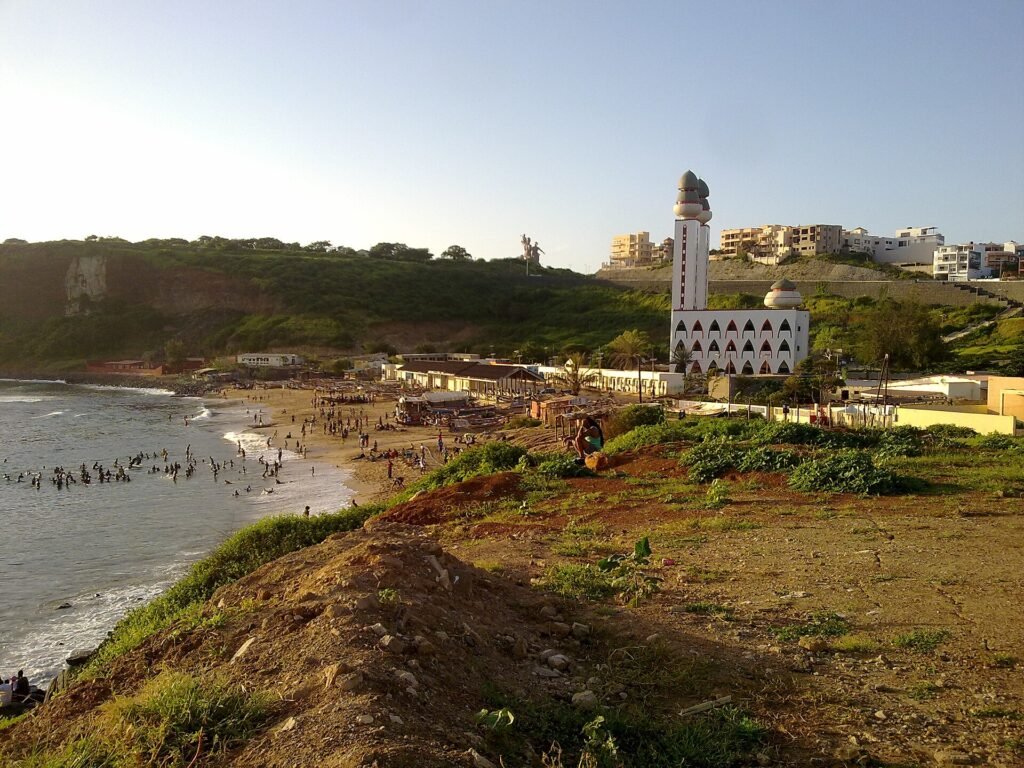
Built on the edge of the ocean, the Mosque of the Divinity is one of the most beautiful sights in Dakar. The site, with the beach and fishing pirogues below, is easy to combine with a visit to the African Renaissance Monument. Wear modest clothing if you want to get close to the mosque.
The Museum of Black Civilisations

Opened in 2018 in a distinctive circular building, the Museum of Black Civilisations presents the history and cultures of Africa and its diasporas. An ideal visit to better understand the country, especially during the hottest hours of the day.
The Plateau, Kermel Market and local crafts

The Plateau is Dakar’s historic and administrative centre. Around Place de l’Indépendance you will find colonial-era buildings, the cathedral and Kermel Market, a covered market selling fresh produce, flowers and crafts. For souvenirs, the Soumbédioune craft village on the corniche brings together many artisans. In the markets, bargaining is part of the experience.
The Corniche Ouest

The corniche runs along the ocean from the city centre to Les Mamelles. In the late afternoon it fills with walkers and joggers enjoying the cooler air and the sunset. A great way to feel the rhythm of the city.
The Almadies and Ngor
On the western tip of the peninsula, the Almadies and Ngor are the place for beaches, surfing and ocean-view restaurants. We have a full guide to the area: The Almadies in Dakar: what to see, what to do and where to stay
Easy day trips from Dakar
Lake Retba (the Pink Lake)

About an hour’s drive north-east of Dakar depending on traffic, Lake Retba, better known as the Pink Lake, owes its colour to its high salt content. Its pink hue is usually stronger during the dry season. On site, you can watch the traditional salt harvest.
If you have more time, the Petite-Côte and its beaches, south of Dakar, are ideal for a one- or two-day getaway.
Visiting Dakar in 3 days: a sample itinerary
- Day 1: the Plateau and Kermel Market in the morning, the Museum of Black Civilisations in the afternoon, then the Corniche Ouest at sunset.
- Day 2: Gorée Island in the morning, then the Almadies and Ngor in the afternoon for the beach and dinner by the ocean.
- Day 3: the African Renaissance Monument and the Mosque of the Divinity, or a day trip to the Pink Lake.
When to visit Dakar
The dry season, from November to June, is the most pleasant: little rain, milder temperatures and a cool ocean breeze. From July to October, the rainy season brings heat and humidity, with showers that can be heavy but are often short. The city can be visited all year round; just adapt your plans.
Where to stay when visiting Dakar
To visit Dakar, the most convenient option is to stay in a central district, with easy access to the Plateau, the corniche and the Almadies. Sacré-Cœur is a good choice: a quiet residential district with shops, banks and restaurants nearby. To compare neighbourhoods, read our guide Where to stay in Dakar: which neighbourhood to choose? and our guide to the Sacré-Cœur neighbourhood.
At DakarStays, our furnished, air-conditioned apartments are in Sacré-Cœur II: a large, bright studio and 2-bedroom apartments, with WiFi and a fully equipped kitchen, for short and long stays alike.
Practical tips for visiting Dakar
- Getting around: taxis and ride-hailing apps are the easiest options. With a regular taxi, agree on the fare before getting in.
- Money: the currency is the CFA franc (XOF). There are plenty of ATMs in the city, but keep some cash for taxis, markets and Gorée.
- Language: French is the official language and Wolof is widely spoken. A few words of Wolof are always appreciated.
- Clothing: modest clothing is recommended when visiting places of worship.
- Sun and swimming: bring sunscreen and water, and swim on supervised beaches whenever possible.
Frequently asked questions
How many days do you need to visit Dakar?
Three days are enough to see the city’s main sights. With five days or more, you can add the Pink Lake or a getaway to the Petite-Côte.
How do you get to Gorée Island?
Ferries leave regularly from the ferry terminal at the port of Dakar. The crossing takes about twenty minutes.
What is the best time to visit Dakar?
The dry season, from November to June, is the most pleasant time to explore the city and enjoy the beaches.
Which neighbourhood should you stay in to visit Dakar?
A central district like Sacré-Cœur gives easy access to the city centre, the corniche and the Almadies, while staying somewhere quiet.
In conclusion
Gorée, the African Renaissance Monument, the corniche, the markets and the beaches of the Almadies: Dakar is easy to discover in a few days, and even better when you take your time. A furnished apartment in a central district is the ideal base to enjoy the city at your own pace.
Any questions about our apartments or availability?
- WhatsApp : +221 77 314 62 13
- Phone: +221 78 840 61 00
Cover photo: Fawaz.tairou, CC BY-SA 4.0, via Wikimedia Commons.